Exploring Collaborative Art Projects in Your Community
Art has the power to bring people together, foster creativity, and strengthen community bonds. Collaborative art projects offer a unique opportunity for individuals to combine their talents and create something meaningful. In this article, we’ll explore how you can start or participate in collaborative art projects in your community, highlighting the benefits, methods, and realistic expectations.
Understanding the Benefits of Collaborative Art Projects
Collaborative art projects can significantly enhance community engagement. According to research conducted by the National Endowment for the Arts, community-based art initiatives typically increase local involvement and create a sense of belonging among participants. These projects can:
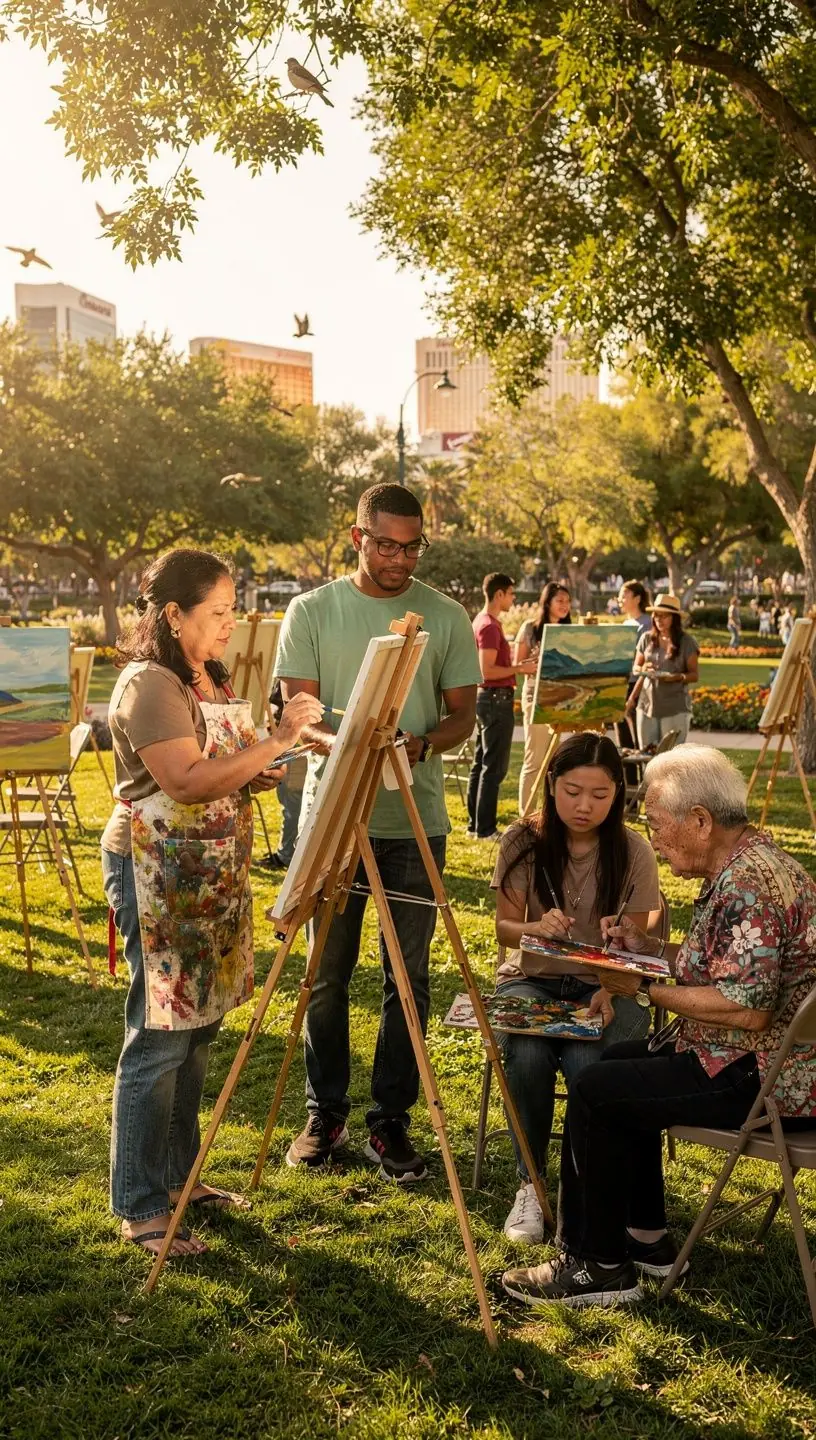
- Foster Creativity: Engaging in art with others often leads to new ideas and perspectives.
- Build Relationships: Working together helps strengthen connections between participants, which is essential for community cohesion.
- Enhance Skills: Participants often learn new techniques and skills from one another, enriching their artistic abilities.
How to Get Started with Collaborative Art Projects
To initiate a collaborative art project, it’s crucial to follow a methodical approach. Here are some key steps to consider:
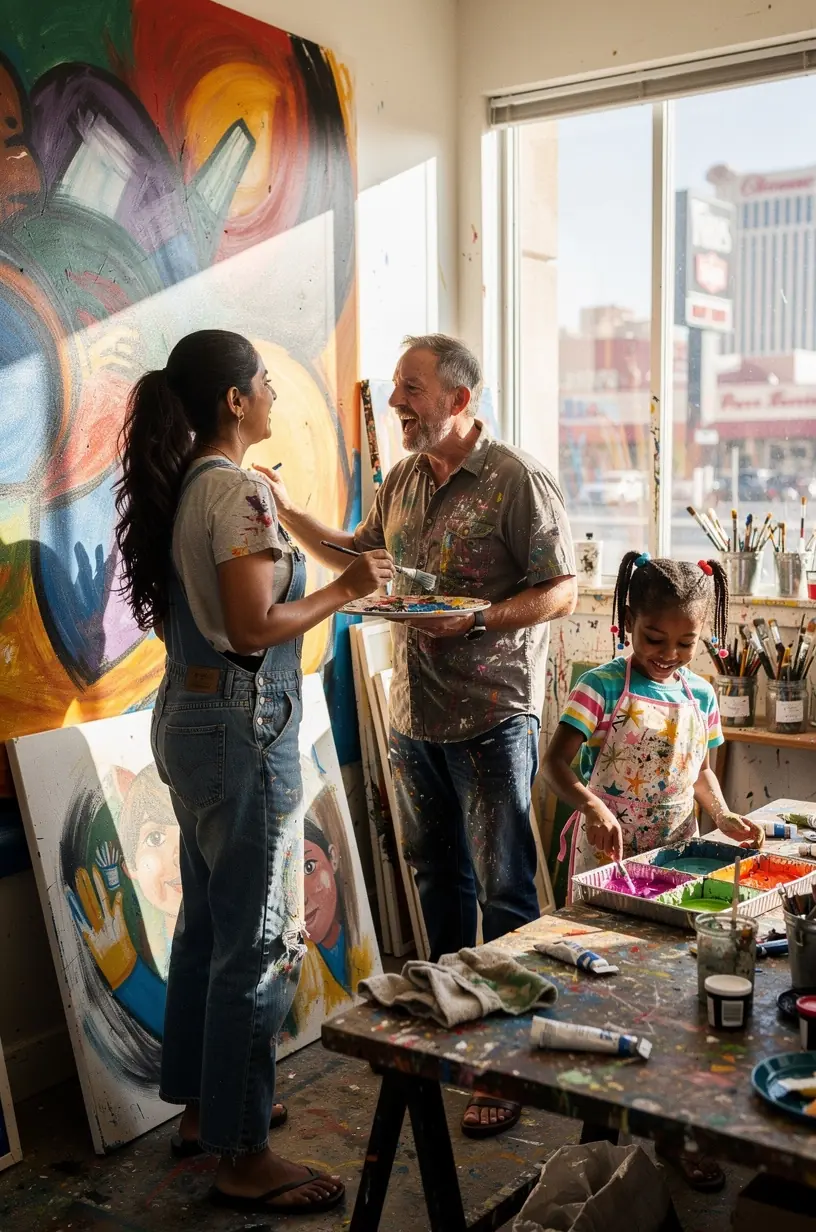
- Identify Your Goals: Determine what you hope to achieve with the project. This could be creating a mural, organizing a sculpture workshop, or planning a community art exhibition. Research suggests that clear objectives can guide the planning process and ensure everyone's on the same page.
- Gather Participants: Reach out to local artists, community members, schools, and art organizations. Effective communication is key; many users report that social media platforms and community boards are great ways to attract interest.
- Plan the Details: Set a timeline, budget, and location for the project. Experts recommend having regular meetings to discuss progress and address any challenges. This typically involves open dialogue and encourages input from all participants.
Challenges and Realistic Expectations
While collaborative art projects can be rewarding, they also require time and dedication. Here are some common challenges you might encounter:
- Time Commitment: Collaborative projects often take several weeks or even months to complete, depending on the complexity. Setting a realistic timeline is essential.
- Conflict Resolution: Differences in opinions and artistic styles can lead to conflicts. Successful projects often involve establishing ground rules and encouraging respectful discussions.
- Skill Levels: Participants may have varying skill levels, which can impact the project's outcome. It's beneficial to create an inclusive environment that values all contributions.
"Collaborative art projects thrive on the diversity of ideas and perspectives, creating a richer, more vibrant community." - Community Art Expert
Conclusion
Engaging in collaborative art projects can greatly benefit both individuals and communities. By understanding the potential challenges and setting realistic expectations, you can create meaningful art that brings people together. Remember, the journey of collaboration is just as important as the final piece, providing opportunities for connection, learning, and growth. So gather your community, unleash your creativity, and start painting a brighter future together!
Learn More