Creating Inclusive Spaces for Diverse Hobbyists
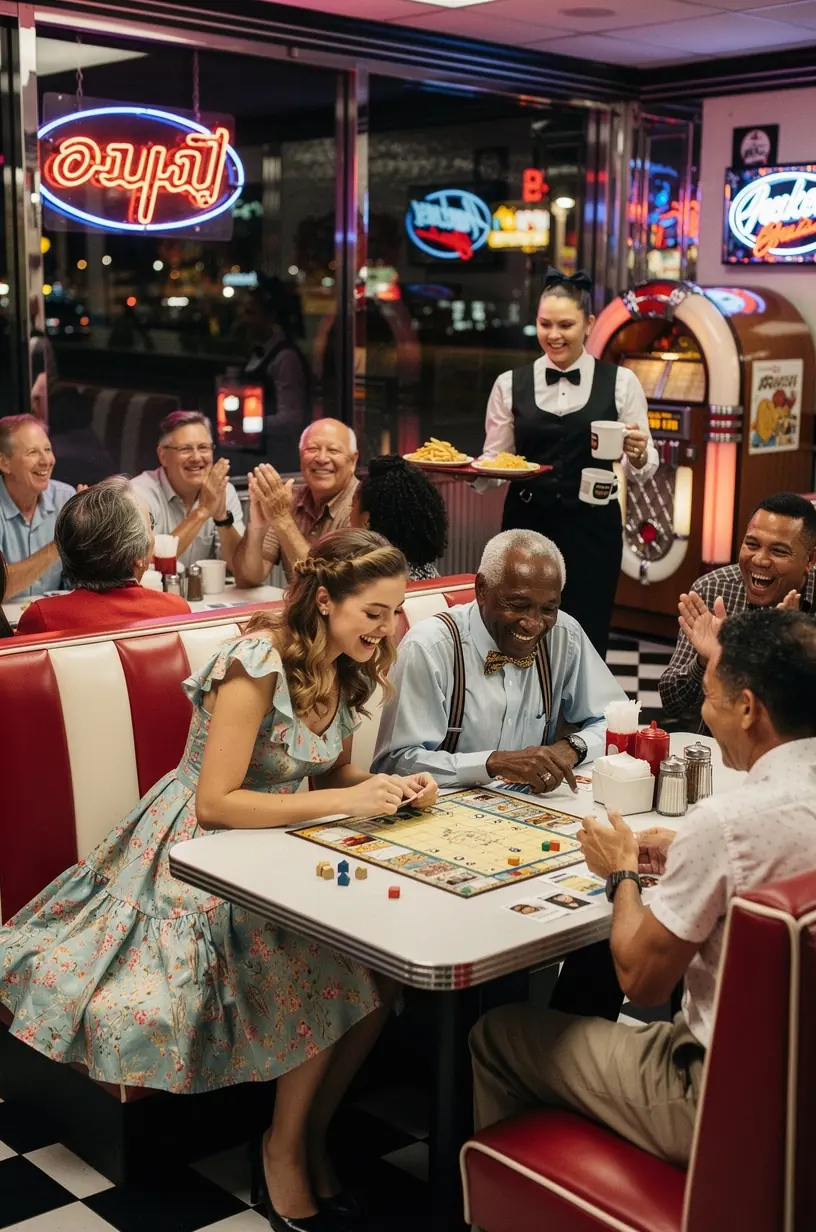
In the realm of community hobby clubs, fostering inclusivity is essential for growth and engagement. By creating spaces that welcome diverse hobbyists, clubs can drive collaboration, creativity, and connection. This article explores practical strategies for developing inclusive environments that cater to all members.
Understanding the Importance of Inclusivity
Creating inclusive spaces is not just a trend; it is a necessity. According to studies from the American Psychological Association, inclusive environments can enhance group dynamics and improve overall satisfaction among participants. Many users report feeling more engaged and productive in settings where diversity is valued.
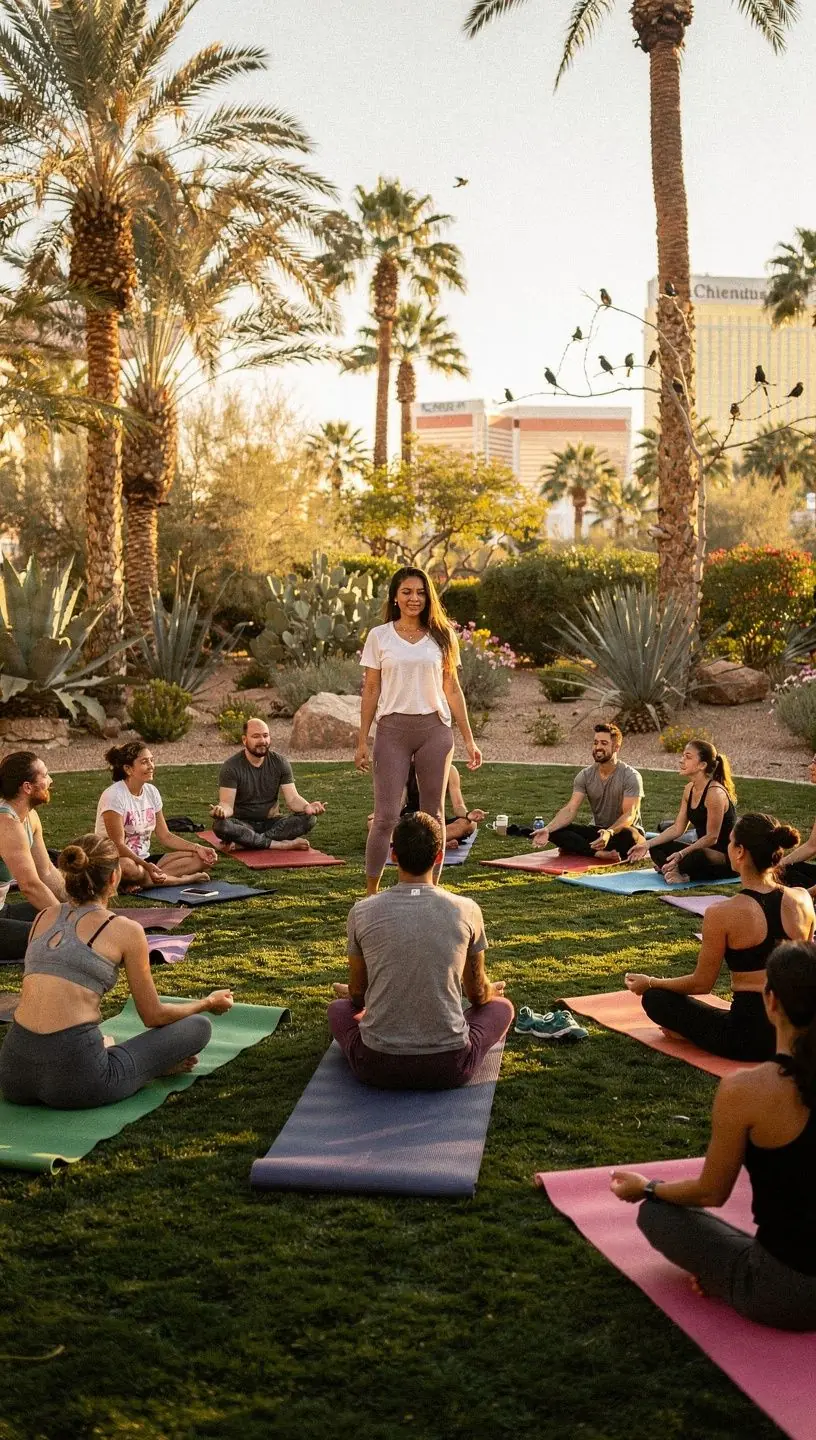
"Inclusivity is about acknowledging and valuing differences, which can lead to a more vibrant and dynamic community." - Community Engagement Experts
Strategies for Fostering Inclusivity
Implementing inclusivity strategies within hobby clubs typically requires time and effort, but the benefits are significant. Here are some proven approaches:
- Conduct Surveys: Regularly seek feedback from members to understand their needs and preferences. This approach helps clubs adapt their activities to be more inclusive.
- Create Diverse Leadership: Ensure that club leadership reflects the diversity of the membership. Research shows that diverse teams are more innovative and better at problem-solving.
- Offer Varied Activities: Organize a mix of events that cater to different interests and skill levels. This may include workshops, casual meetups, or collaborative projects, which can attract a wider range of participants.
Challenges and Limitations
While integrating inclusivity into hobby clubs is beneficial, it is important to recognize potential challenges:
- Time Commitment: Implementing these strategies requires ongoing effort and may take several months to see tangible results.
- Learning Curve: Some members may need time to adjust to new activities or leadership styles, which could initially create discomfort.
- Resource Limitations: Not all clubs have the same level of resources, which may limit the scope of inclusivity measures that can be adopted.
Best Practices for Sustainable Inclusivity
To ensure that inclusivity efforts are sustainable, clubs should consider the following best practices:
- Establish Clear Goals: Set measurable goals for inclusivity that can be regularly reviewed and adjusted based on member feedback.
- Promote Open Dialogue: Encourage members to share their experiences and suggestions openly, creating a culture of trust and respect.
- Celebrate Diversity: Organize events that highlight and celebrate different cultures, backgrounds, and hobbies. This can foster a sense of belonging among members.
Conclusion
Creating inclusive spaces within community hobby clubs is not only beneficial for engagement and creativity, but it also enriches the overall experience for all members. By implementing thoughtful strategies and acknowledging the challenges, clubs can cultivate environments where diversity thrives. Remember, the journey toward inclusivity is ongoing, and each step taken contributes to a more vibrant community.