How to Organize a Cross-Club Collaboration
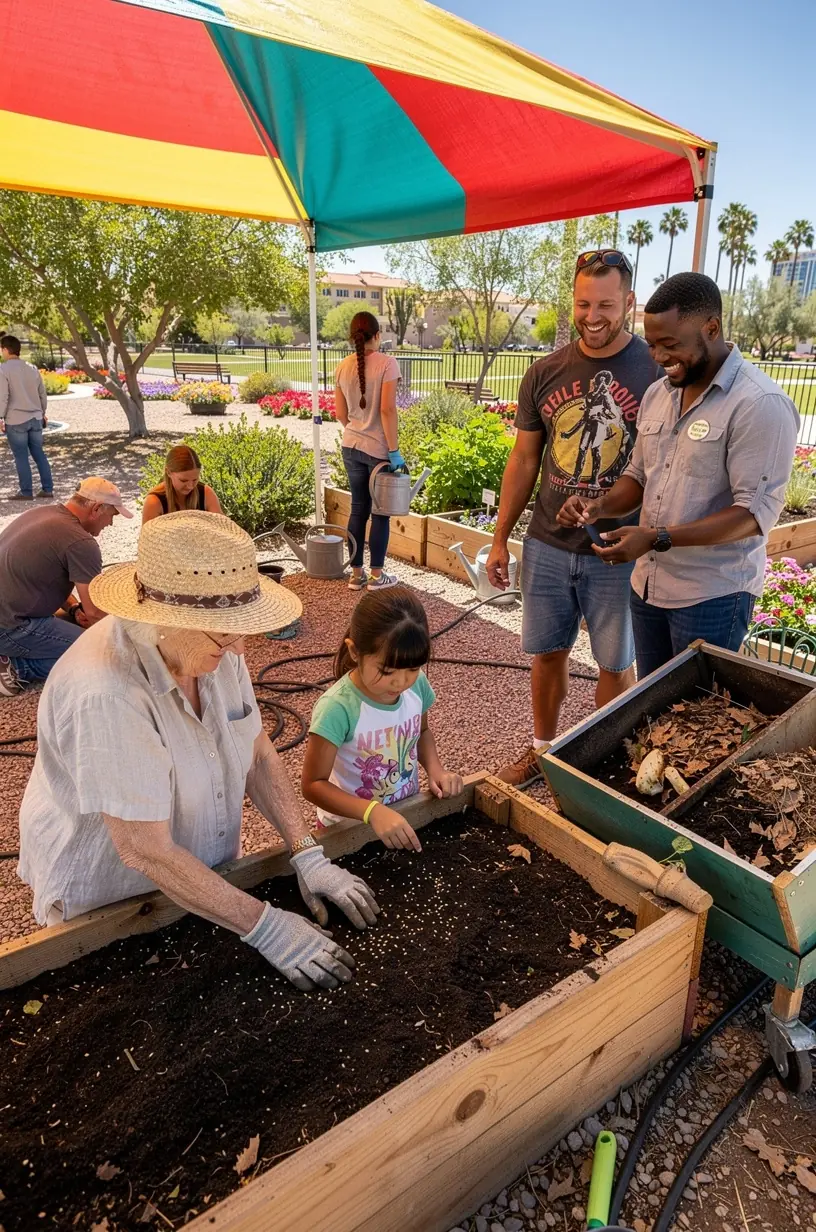
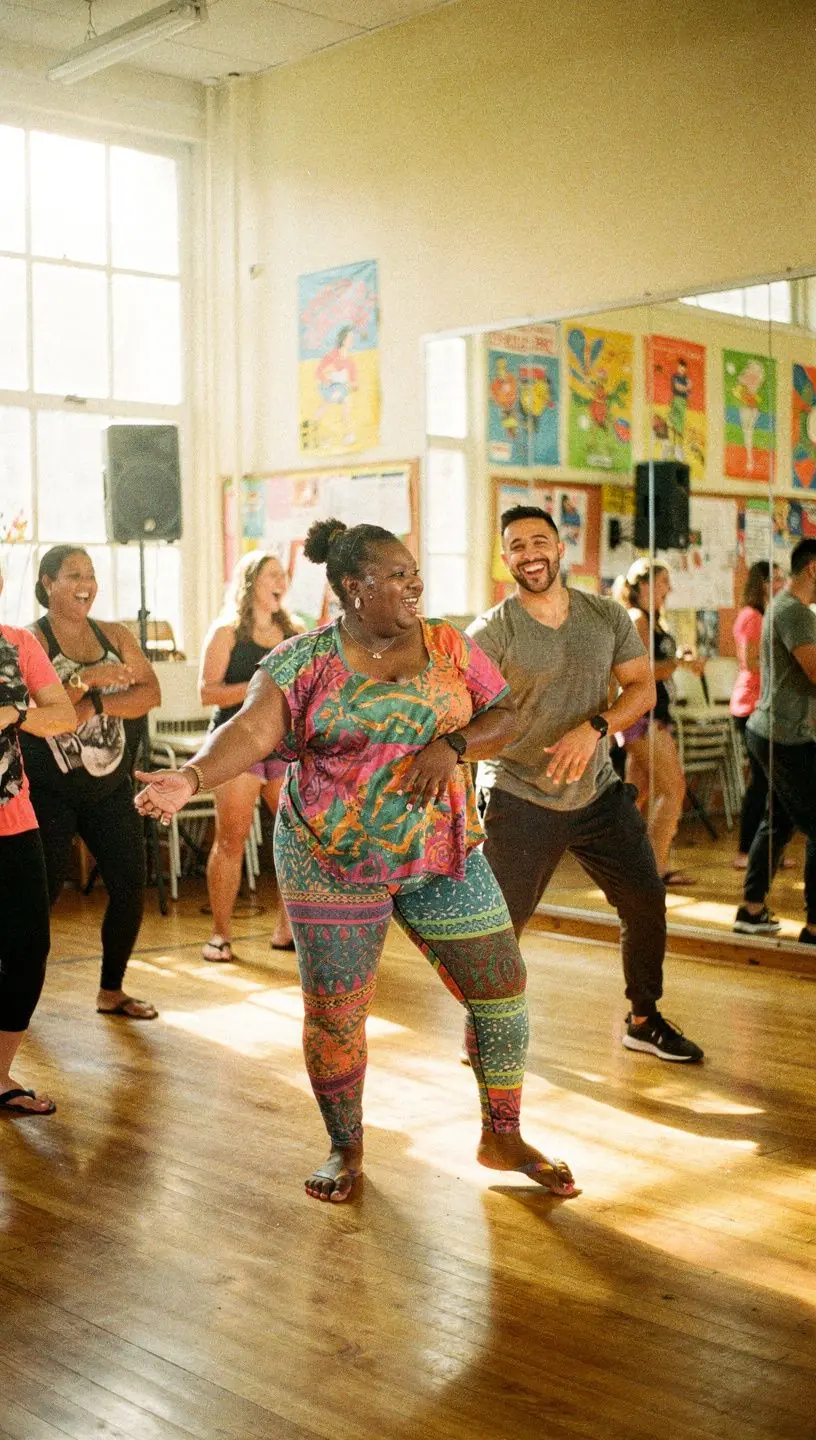
Cross-club collaborations can enhance creativity, build community, and foster learning among hobbyists. Organizing such collaborations requires planning and clear communication, but with the right approach, it can be a rewarding experience for all involved.
Understanding the Importance of Collaboration
Collaboration among hobby clubs is not just a trend; it is a proven method to increase engagement and innovation. According to research, groups that collaborate on projects often report a 20-30% increase in productivity and creativity. This is because diverse perspectives can lead to more effective problem-solving and new ideas.

"Collaboration amplifies results, enabling groups to achieve what they cannot accomplish alone." - Industry Expert
Steps to Organize a Successful Cross-Club Collaboration
Organizing a collaboration typically involves several key steps:
- Identify Common Goals: Start by meeting with representatives from each club to discuss shared objectives. This helps ensure that everyone is on the same page and working towards a common purpose.
- Plan the Logistics: Determine the timeline, venue, and resources needed for the collaboration. This step requires careful consideration of each club's capabilities and commitments. In most cases, planning should start at least 4-6 weeks in advance to allow for effective coordination.
- Allocate Responsibilities: It's crucial to assign specific roles to members from each club. This not only distributes the workload but also fosters accountability. Each club should have designated points of contact to streamline communication.
- Promote the Event: Effective promotion is essential for turnout. Utilize social media, community boards, and newsletters to reach both clubs' members. Many users report that promotional materials that highlight the benefits of collaboration tend to attract more participants.
- Gather Feedback: After the event, collect feedback from participants to assess what worked well and what could be improved. Continuous improvement is vital for future collaborations.
Acknowledging Potential Challenges
While cross-club collaborations can be rewarding, they may also present challenges. For example, aligning different group cultures and schedules can be tricky. Typically, successful collaborations require effort and flexibility from all participants.
Furthermore, be prepared for a potential learning curve as members adjust to working with different clubs. It is beneficial to have a designated facilitator who can guide discussions and help resolve conflicts should they arise.
Conclusion
Cross-club collaborations can greatly enhance the experience of club members and foster a vibrant community spirit. By clearly defining goals, planning effectively, and promoting the event well, clubs can provide valuable experiences for their members. Remember to gather feedback for future improvements. With commitment and collaboration, your clubs can achieve remarkable results together.
Learn More