How to Facilitate Workshops for Skill Sharing
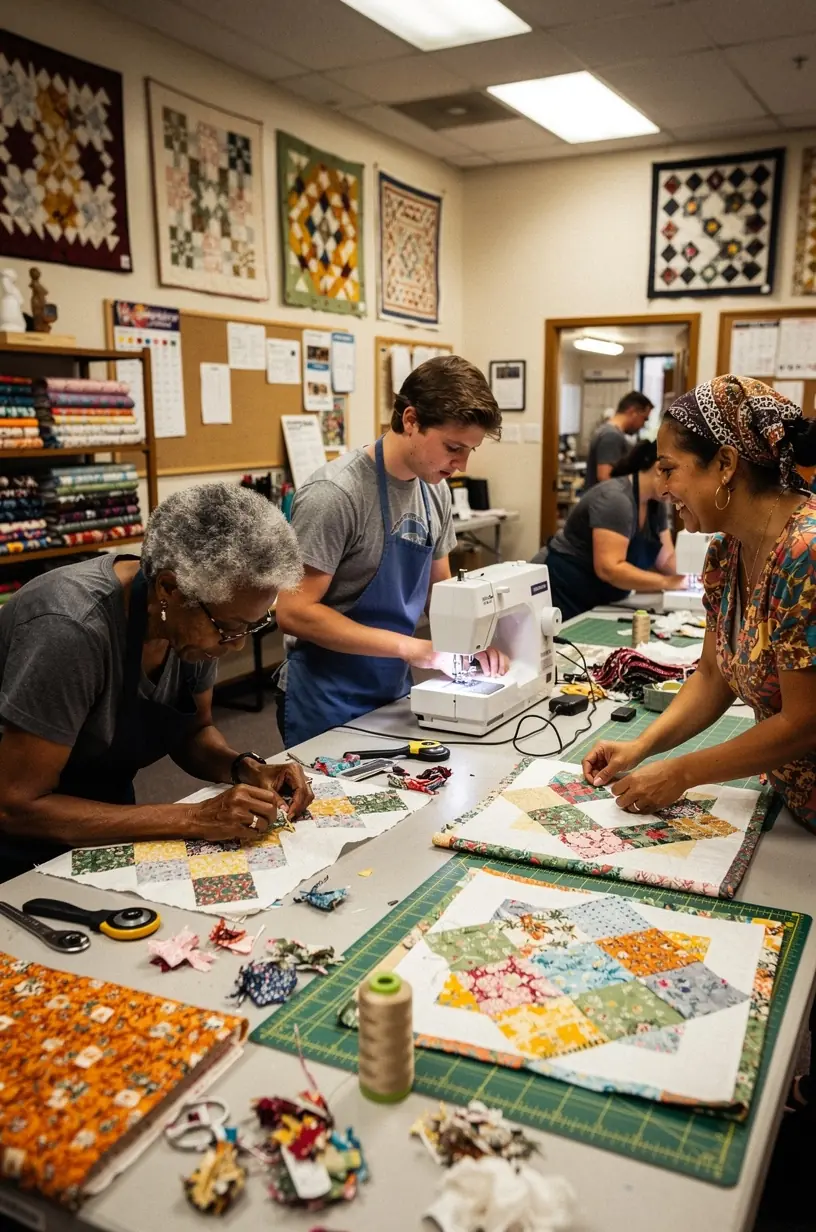
Facilitating workshops can be a rewarding experience, especially within community hobby clubs focused on skill sharing. This article explores effective methods to host engaging workshops that foster collaboration and creativity.
Understanding the Basics of Workshop Facilitation
Effective facilitation is essential for successful workshops. According to research by the International Association of Facilitators, good facilitation can lead to increased participation and enhanced learning outcomes. A skilled facilitator often creates an environment that encourages collaboration, which is crucial for skill-sharing workshops.
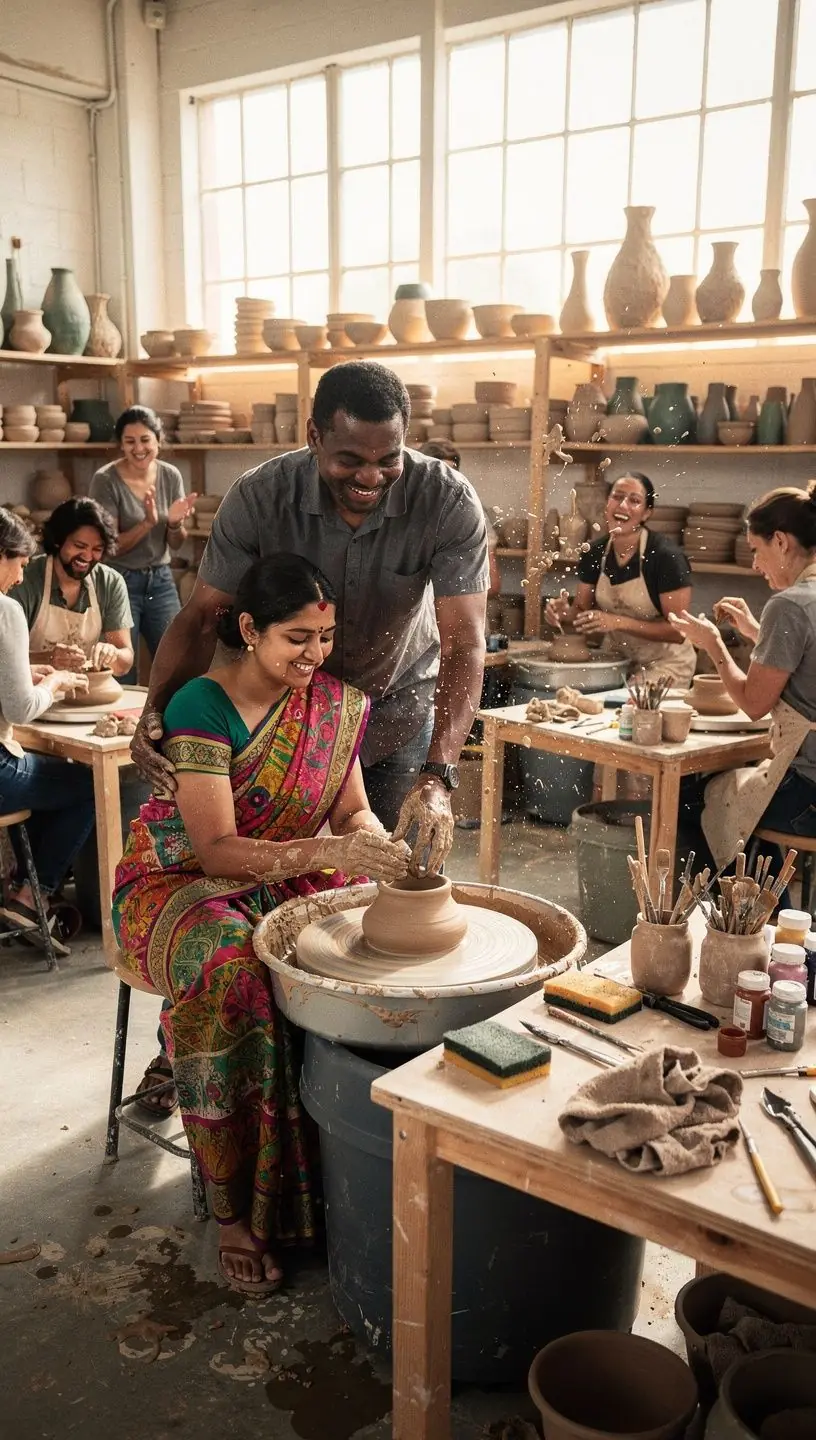
"A facilitator's role is not to be the expert but to guide the process and create a safe space for interaction."
Key Steps to Plan Your Workshop
Planning a workshop involves several key steps:
- Define Your Objectives: Clearly outline what you hope to achieve. According to studies, workshops with well-defined objectives often see improved engagement.
- Choose the Right Format: Depending on your objectives, you might opt for hands-on activities, group discussions, or presentations. Experts recommend a mix of formats to cater to different learning styles.
- Prepare Materials: Gather any materials needed in advance. This may include handouts, tools, or digital resources, ensuring everything is accessible to participants.
Facilitation Techniques to Enhance Engagement
Utilizing effective facilitation techniques can significantly improve participant engagement:
- Active Listening: Encourage participants to share their thoughts and ideas. Research indicates that active listening fosters a collaborative environment and promotes trust.
- Encourage Participation: Use open-ended questions to stimulate discussion. Many users report that this approach leads to more dynamic interactions.
- Flexible Agenda: While having a structured agenda is important, being adaptable can enhance the learning experience. A facilitator should be prepared to adjust based on group dynamics.
Acknowledge the Challenges
Facilitating a workshop is not without its challenges. It typically requires a time commitment for planning and execution. In most cases, facilitators should expect at least a few hours of preparation for every hour of workshop delivery. Additionally, there may be a learning curve in mastering facilitation techniques.
Examples of Successful Skill Sharing Workshops
Many community clubs have successfully implemented skill-sharing workshops. For instance, a local art club organized a series of painting workshops that not only improved participants' skills but also fostered a strong sense of community. Research shows that workshops that focus on collaborative projects can lead to increased satisfaction amongst participants.
Conclusion: Setting Realistic Expectations
Facilitating workshops for skill sharing can be highly rewarding, yet it requires careful planning and execution. By focusing on clear objectives, employing effective facilitation techniques, and being aware of potential challenges, you can create a valuable experience for all participants. Remember to approach this with honesty and transparency, setting realistic expectations about the time and effort involved. Through dedication and practice, your workshops can become a cornerstone of your community hobby club.
Learn More