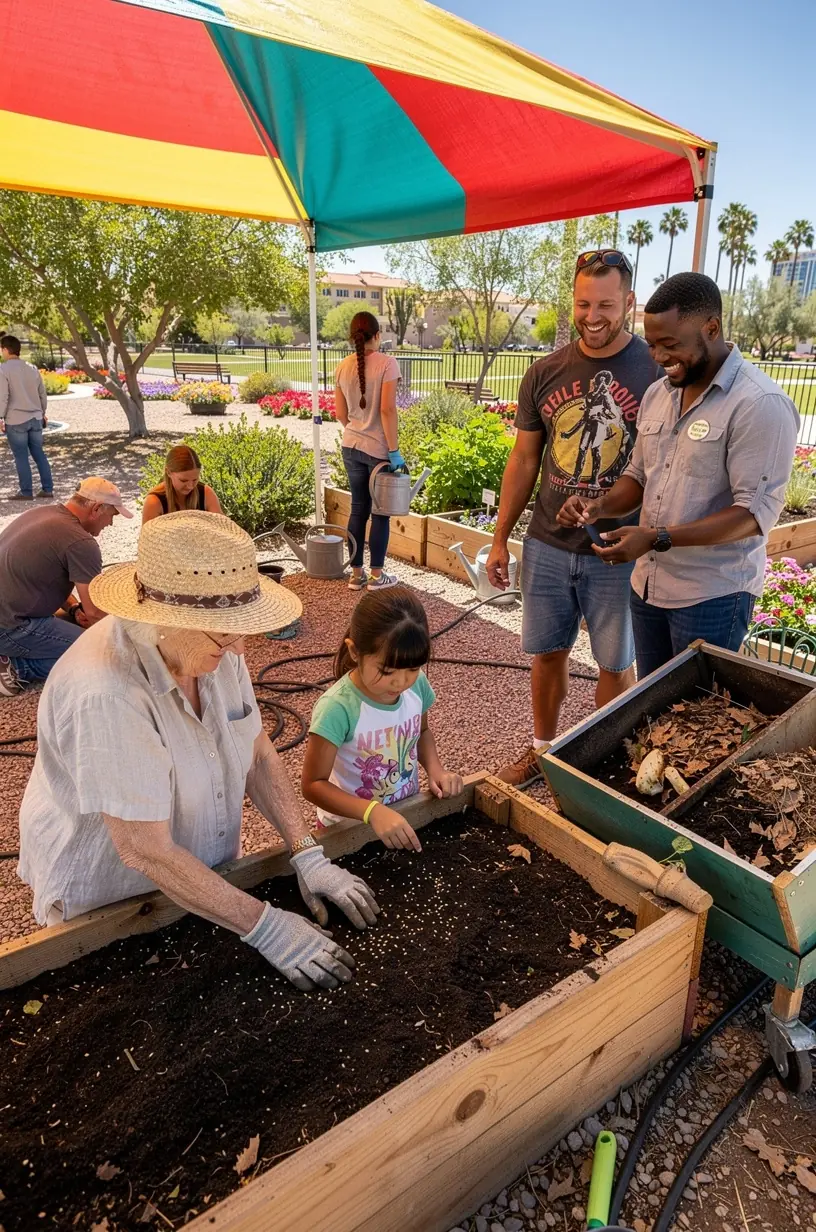
Measuring the Impact of Community Engagement
Community hobby clubs play a vital role in fostering social connections and enhancing creativity. Understanding the impact of community engagement can help clubs improve their activities and better serve their members.
Understanding the Basics
Community engagement typically refers to the ways in which individuals participate in communal activities, including workshops, meetups, and collaborative projects. Research shows that active participation in community clubs can lead to increased social capital, which is essential for individual and collective well-being.

"According to a study by the National Endowment for the Arts, community engagement in arts and culture enhances personal skills and bridges social divides."
The Benefits of Community Engagement
Engagement in community clubs can have various benefits, including:
- Enhanced Creativity: Participating in collaborative creative projects often sparks new ideas and innovative solutions.
- Stronger Social Networks: Many users report that their involvement helps them build lasting friendships and professional connections.
- Personal Development: Engaging in workshops can improve skills and boost confidence, according to industry experts.
Measuring the Impact
To effectively measure the impact of community engagement, clubs can utilize both qualitative and quantitative methods. Surveys, interviews, and participatory observation are common approaches. Studies indicate that surveying members before and after events can yield valuable insights into changes in satisfaction, skills, and social connections.
Practical Application of Measurement Techniques
Here are some actionable steps clubs can take to measure their engagement impact:
- Administer pre- and post-event surveys to gather data on member expectations and experiences.
- Encourage participants to share feedback through informal discussions or suggestion boxes.
- Analyze attendance trends to understand which events draw more interest and why.
Acknowledging Limitations
While measuring impact can provide valuable insights, it’s important to acknowledge the limitations of these methods. Collecting qualitative data often requires time and careful analysis, which can be challenging for busy clubs. Additionally, results may vary based on the types of events organized, and engagement metrics typically take time to reflect significant change.
Conclusion
Understanding how community engagement impacts participants is essential for the growth and sustainability of hobby clubs. By using effective measurement techniques, clubs can not only enhance member experience but also adapt their offerings to better meet the needs of their community. Ultimately, while challenges exist in measuring these impact areas, the potential benefits for both individuals and the community at large are well worth the effort.