Navigating Conflict Resolution in Group Settings
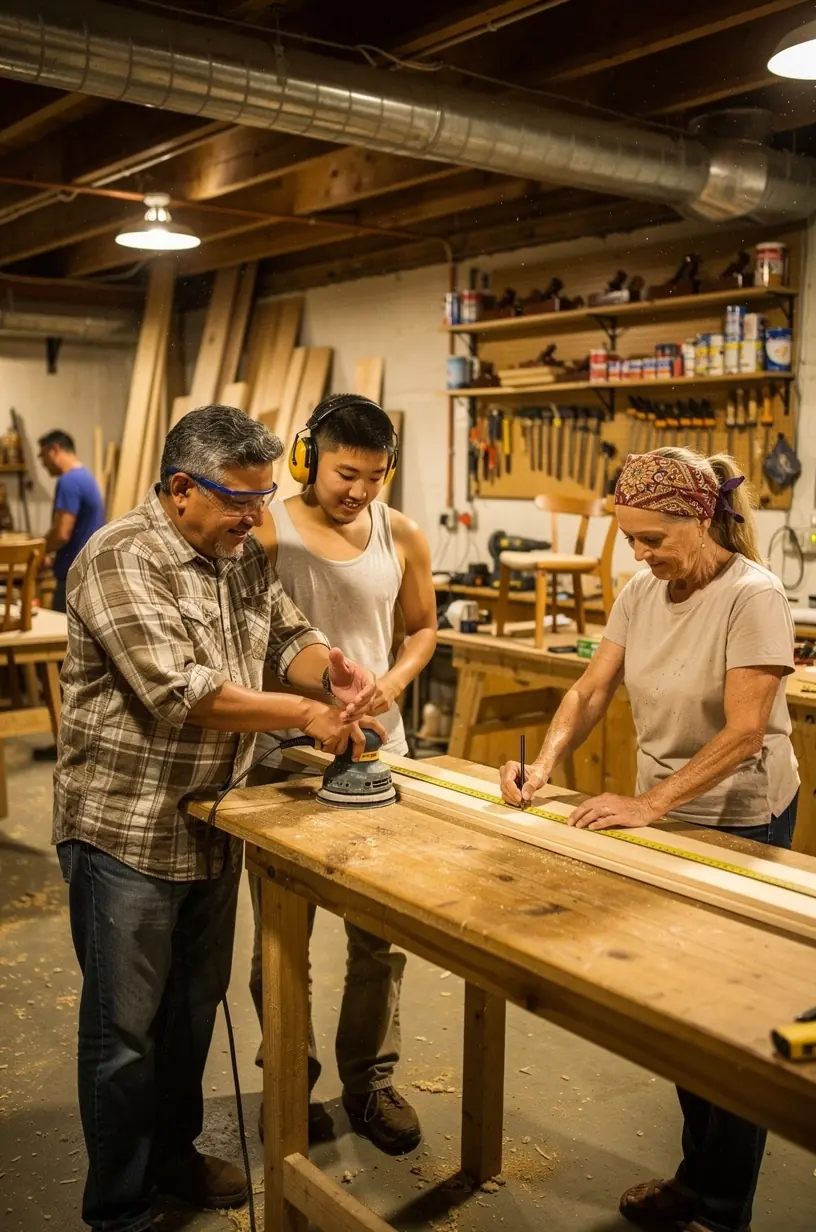
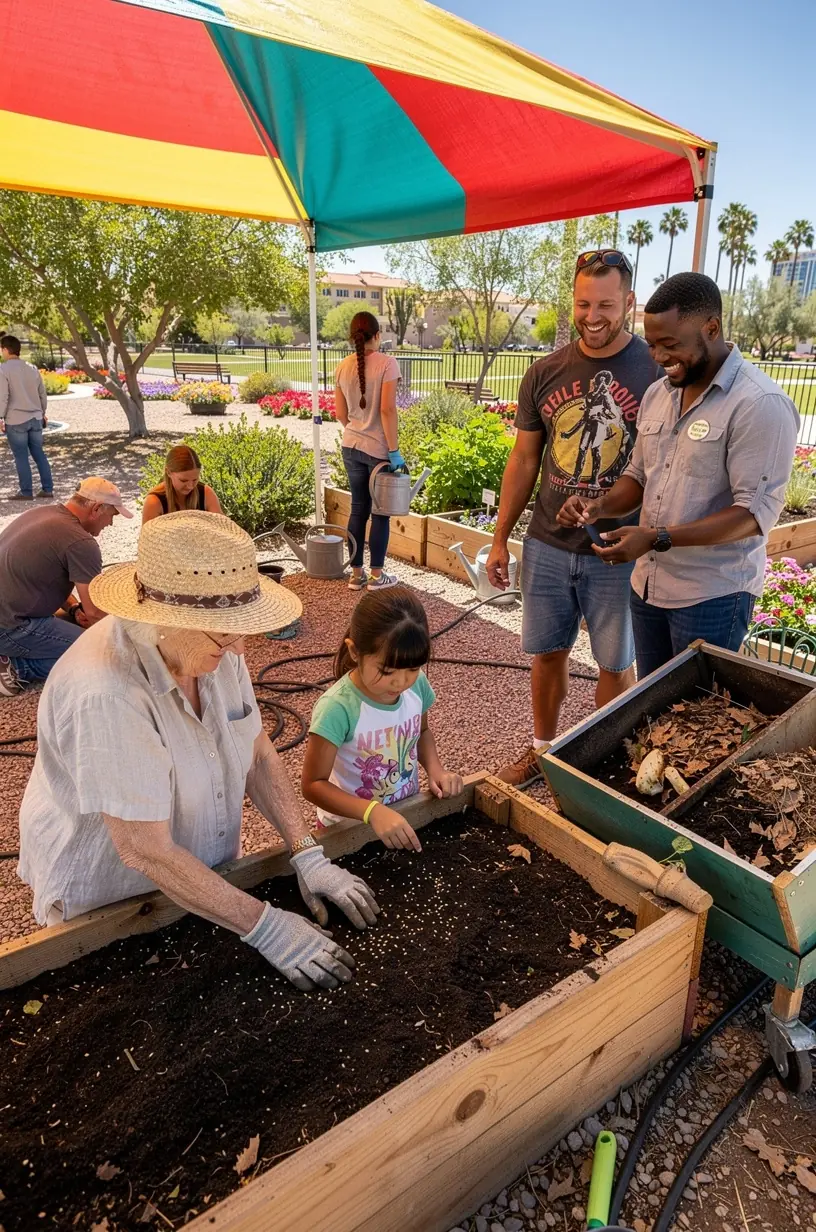
In community hobby clubs, where creativity and collaboration thrive, conflicts can occasionally arise. Understanding how to navigate these conflicts is essential for fostering a harmonious environment. This article delves into effective strategies for conflict resolution, supported by research and expert recommendations.
Understanding the Basics of Conflict in Groups
Conflict in group settings is typically a result of differing opinions, misunderstandings, or competing goals. According to studies by the American Psychological Association, conflicts can often enhance creativity and problem-solving when managed properly. However, unresolved conflicts can lead to a toxic environment, which ultimately stifles collaboration.
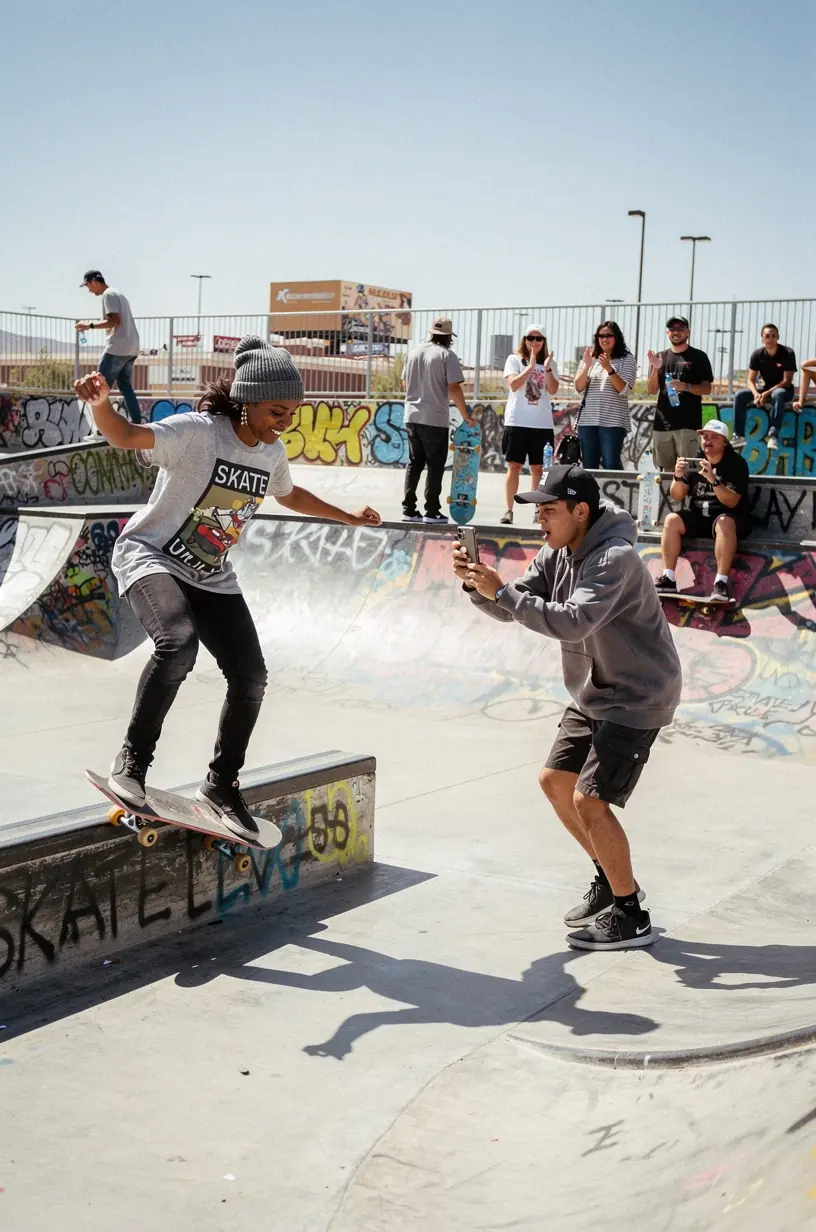
"Effective conflict resolution is essential for maintaining a positive group atmosphere and encourages constructive dialogue." - Dr. Linda Miller, Conflict Resolution Expert
Common Sources of Conflict
- Diverging Opinions: Group members may have differing viewpoints on project approaches or creative direction.
- Miscommunication: Often, conflicts stem from misunderstandings or lack of clarity in communication.
- Resource Allocation: Disagreements can arise over the distribution of materials, time, or space needed for projects.
Steps to Resolve Conflicts Effectively
To address conflicts within your club, consider the following proven strategies:
- Identify the Issue: Gather the involved parties and clearly define the problem. This requires open, honest communication and a willingness to listen.
- Encourage Open Dialogue: Create a safe space for members to express their feelings and perspectives without fear of judgment. Research indicates that active listening can significantly reduce tensions.
- Seek Common Ground: Focus on shared goals and values. This approach helps to shift the conversation from confrontation to collaboration.
- Develop a Collaborative Solution: Involve all parties in brainstorming solutions. Experts recommend considering multiple options and weighing their pros and cons to find the most suitable resolution.
- Follow Up: After a resolution is reached, return to the group to discuss how the solution is working. This may take 2-4 weeks to evaluate the effectiveness of the implemented changes.
Preventing Future Conflicts
While conflicts are sometimes inevitable, establishing clear guidelines and expectations can help mitigate future occurrences. Consider implementing the following:
- Regular Check-Ins: Schedule periodic discussions to assess group dynamics and address any emerging issues proactively.
- Feedback Mechanism: Encourage members to provide constructive feedback on group processes and interactions.
- Conflict Resolution Training: Organize workshops focused on communication and conflict management skills to equip members with the tools they need to navigate disagreements effectively.
Conclusion
Conflict resolution is an important skill for members of any community hobby club. By understanding the root causes of conflicts and employing effective strategies to address them, groups can maintain a positive and productive atmosphere. Remember, the goal is not to eliminate conflict but to navigate it constructively, fostering an environment where creativity and collaboration can flourish.