Creating a Calendar of Events for Hobby Groups
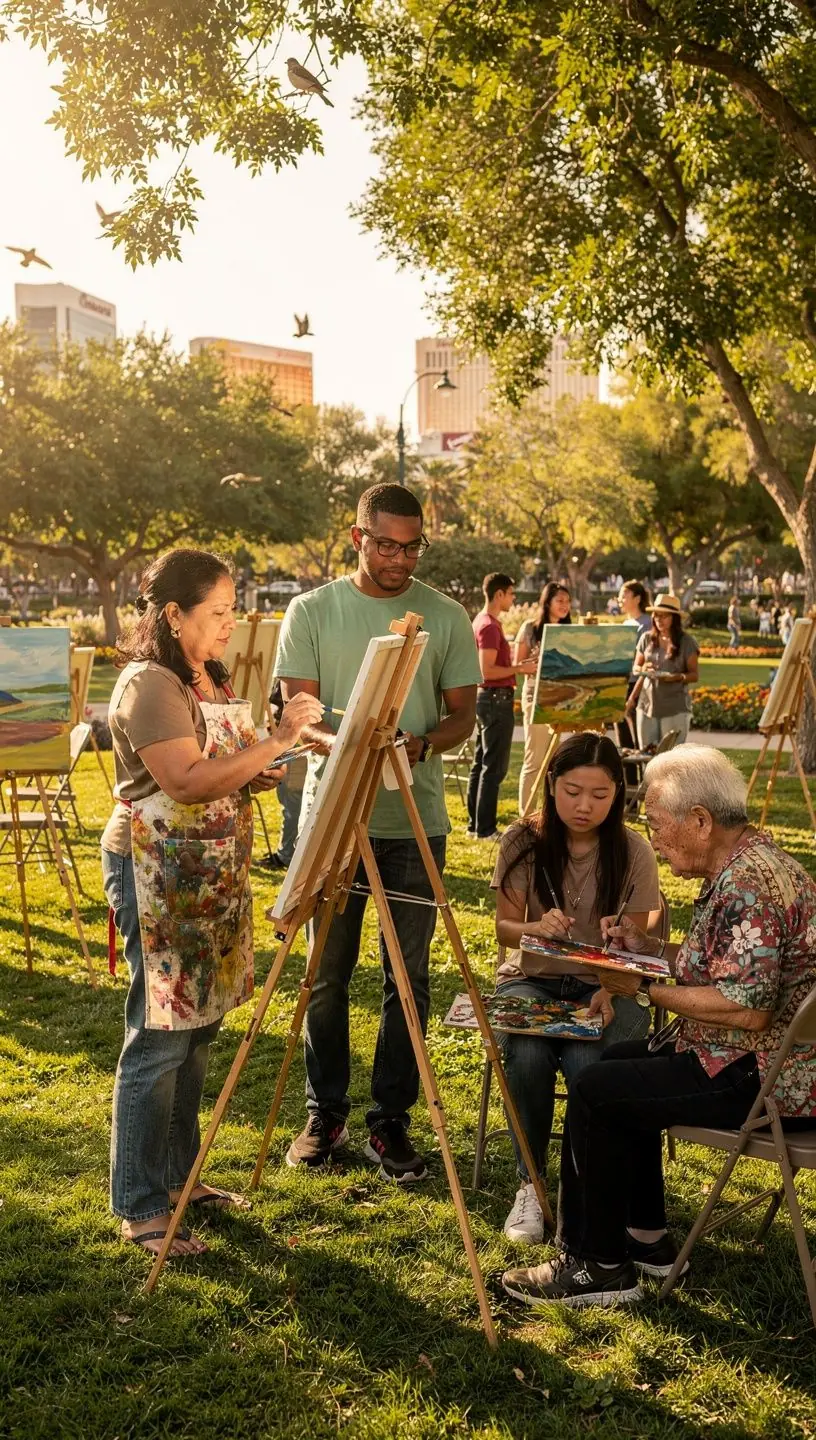
Organizing a calendar of events for hobby groups can enhance community engagement and collaboration. This article explores effective strategies and best practices to create an engaging event calendar that resonates with members.
Understanding the Importance of a Calendar
A well-structured calendar of events is essential for hobby groups, as it serves as a central hub for communication and planning. According to community organizers, having a shared calendar can significantly improve attendance at events by providing members with timely information about upcoming opportunities.
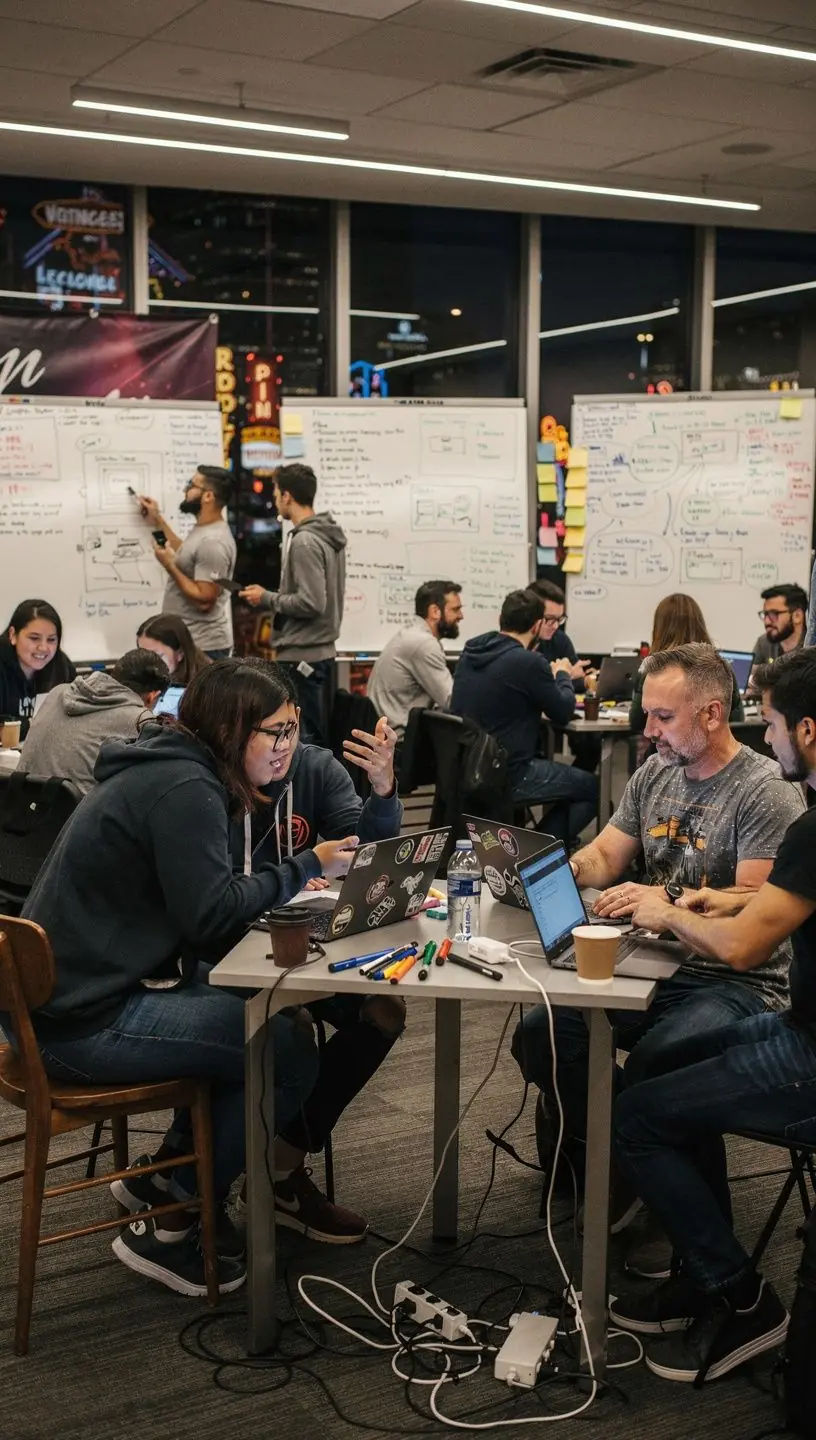
"A shared calendar helps ensure that everyone is on the same page regarding events, which can lead to higher participation rates." - Community Organizer
Steps to Create an Effective Calendar of Events
Creating an event calendar typically involves several key steps:
- Identify Group Interests: Gather input from members about the types of events they would like to see. Surveys or informal discussions can be effective in understanding preferences.
- Choose a Platform: Select a platform that best suits your group's needs. Many groups opt for digital tools like Google Calendar or platforms like Meetup, where members can easily access and RSVP to events.
- Set a Schedule: Plan events at regular intervals, such as monthly or quarterly. Research indicates that consistency can lead to improved attendance, especially when members anticipate events at predictable times.
- Promote Events: Share the calendar through various channels, such as social media, newsletters, or group chats. Engaging visuals and reminders can effectively capture attention and encourage participation.
- Gather Feedback: After events, solicit feedback from participants. This can help refine future events and ensure they align with member interests and expectations.
Utilizing Tools and Resources
There are various tools available to help streamline the event planning process. Many experts recommend using collaborative tools like Trello or Asana for managing tasks and responsibilities. These platforms can help assign roles, track progress, and ensure everyone is aware of their contributions to event organization. In most cases, adopting technology can save time and enhance efficiency.
Challenges and Considerations
While creating a calendar of events can be beneficial, there are challenges to consider:
- Time Commitment: Developing a full calendar typically requires a dedicated effort over several weeks. Groups may need to allocate time for planning, promoting, and executing events.
- Member Engagement: Ensuring that all members are engaged and excited about events can be difficult. It may require ongoing communication and encouragement to maintain interest.
- Flexibility: Event schedules may need to adapt based on member feedback or unforeseen circumstances, such as weather conditions or venue availability.
Conclusion
Creating a calendar of events can greatly enhance the effectiveness of hobby groups by fostering community engagement and providing structured opportunities for collaboration. By understanding member interests, utilizing appropriate tools, and being aware of the challenges, groups can develop a calendar that works for everyone. Remember, the goal is to create a space where all members feel included and excited to participate in upcoming activities.